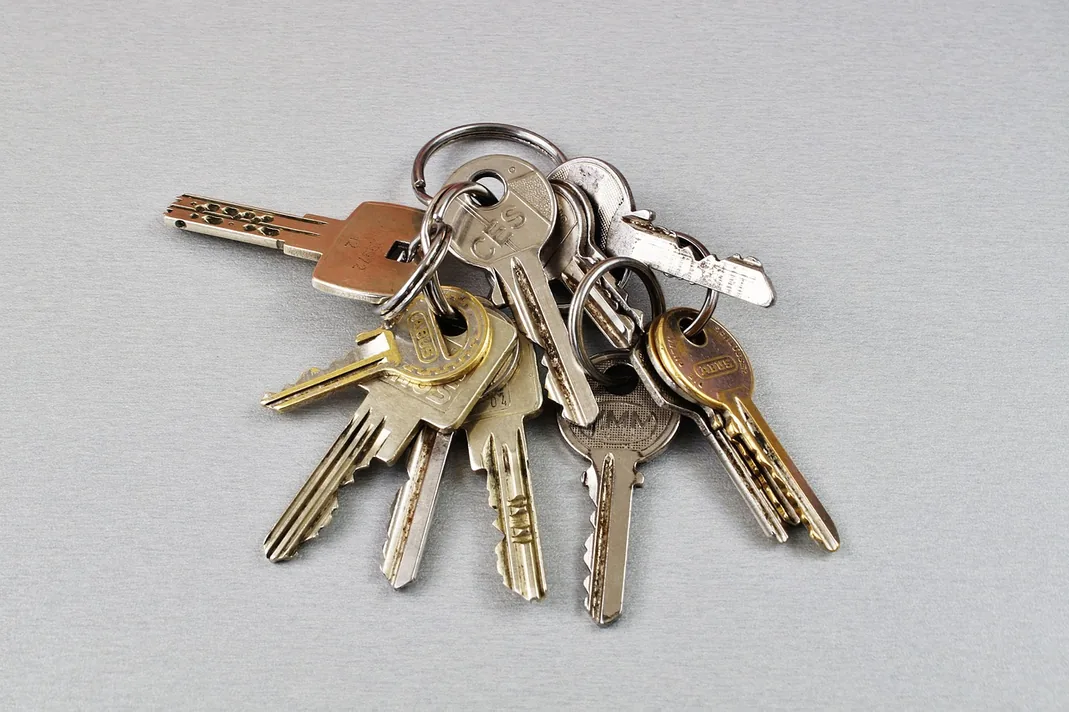
For most cars on the road in Murfreesboro, a mobile locksmith makes the key at the car, the same day, including the chip and the remote. The dealership makes the same key, needs the car brought to them, and usually needs a few days for the blank to arrive. The exceptions are a handful of very new or very rare models where the maker keeps the key data to itself.
That's the whole comparison. The rest of this page is the detail behind it, so you can decide from your driveway rather than from a tow truck.
Since the late 1990s almost every car key has three parts: the metal blade that turns the lock, a transponder chip in the plastic head that the car's immobilizer has to recognize before it will start, and, on most cars, a remote for the doors. Making a key means cutting the blade to the car, then programming the chip and the remote to it. Cutting is quick. Programming needs equipment that talks to the car's computer.
A mobile locksmith carries that equipment. So does the dealer. The dealer's is made by the car maker; the locksmith's covers most makers at once.
All keys lost, car stuck where it is: a locksmith comes to it, opens it, and makes a key from the car itself. Nothing has to be towed. A spare while you still have one key: quicker and done at your door. A broken key, a worn key, a remote that has stopped: same visit. Most domestic, Japanese and European cars from the last twenty-five years fall into this group, and around Murfreesboro that's most of what's parked on the street.
The technician asks for the year, make and model on the call, so the right blank and the right programming are on board before setting off. Photo ID and something showing the car is yours are checked before any work; that's the same at the dealer, and it protects the owner.
A handful of models keep their key data locked to the maker's own system. Some of the newest push-button cars, some high-end European brands, and a few models in the first year or two of a new generation. For those, an honest locksmith says so on the call and points you at the dealer rather than turning up and failing. If the car is under warranty and the key failed rather than got lost, the dealer may also be the route that doesn't cost you the warranty.
If the dealer is the route, ask them whether the car has to come in. On some models it does, and that's a tow; on others they can send a technician out.
The technician confirms the car and your ID, opens the car if it's locked, and takes the key code from the car itself or from the lock. The blade is cut on equipment in the vehicle, the chip is programmed through the diagnostic port, and the remote is paired. Then the key is tested: doors, ignition, start, and the remote from a few yards away. If you've asked for a spare, it's made in the same session, which is the right time to do it.
Most of the visit is the programming and the testing. The cutting itself takes a minute.
Only the dealer can make a chip key. For most cars, no. A locksmith key is a copy that might stop working. It's cut and programmed to the same standard, and it's tested before the technician leaves. You have to replace the whole ignition if the keys are lost. Almost never; a new key is made to the existing lock. Better to wait for the dealer. Waiting has its own bill: the tow, the days without the car.
Yes, for most makes. The technician opens the car, reads what's needed from it and cuts and programs a new key on site.
Yes. Remotes, fobs and push-to-start keys for most makes, programmed at the car.
Photo ID and something showing the car is yours: registration, insurance card or title. Checked before any work.
A small group of the newest or rarest models whose makers keep programming in-house. Give the year, make and model on the call and you'll get a straight answer.
Yes. A spare made while you still have a key is a quick job; making one after the last key is gone is the harder one.
Say the street and a technician heads out.