Old keys stop working when a manager or an employee leaves.
The owner's key opens everything; staff keys open only what they need.
Panic bars, closers and hinges serviced or replaced on commercial doors.
Work can be scheduled before you open or after you close, so it doesn't get in the way of customers.
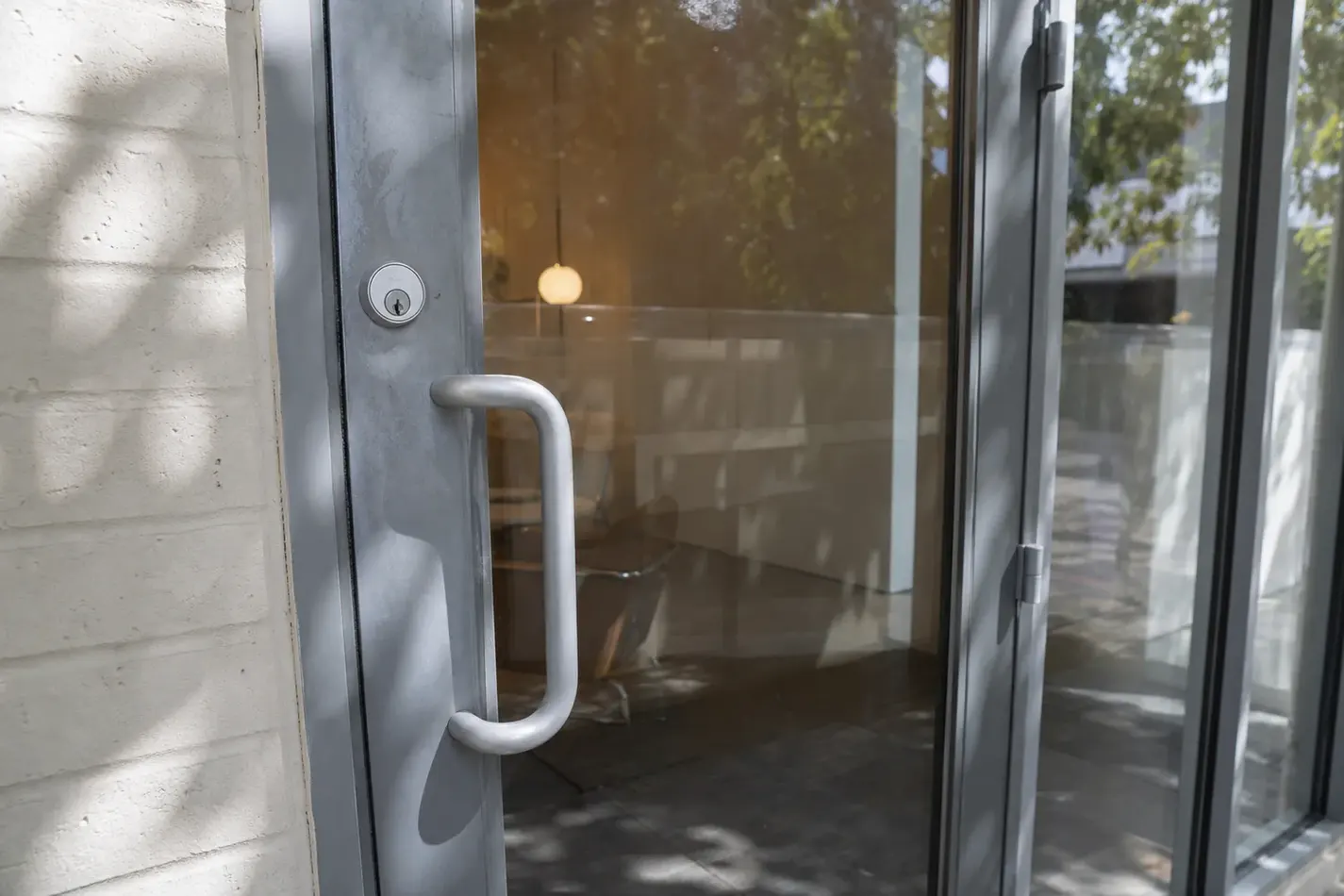
The locks and cylinders on aluminum and glass doors can usually be replaced without replacing the door.
Planned like any other work at your building. The office safe can get a new combination at the same visit; see safe locksmith work.
The doors, the keys that exist, and who should be able to open what.
What gets rekeyed, replaced or added, with the free estimate, before any hardware is ordered.
Early, late or on a slow day, whichever keeps the business running.
Every key accounted for, so the next staff change is simple.
Murfreesboro's business side has grown as fast as its neighborhoods, from the stores and restaurants along Old Fort Parkway to the medical offices and professional suites on the newer roads. Most of the work is the same handful of jobs: keys that have to stop working after someone leaves, doors that won't latch on a windy day, and exit hardware that needs attention before an inspection.
Older buildings around the downtown square have their own quirks: original doors, heavier hardware, frames that have settled over the years. They're worth a look in person before anything is ordered.
Turnover is the normal state of most businesses, not the exception, so a key plan should expect it. A master key system lets you retire one key without redoing every door, and restricted keys can't be duplicated without the owner's say-so.
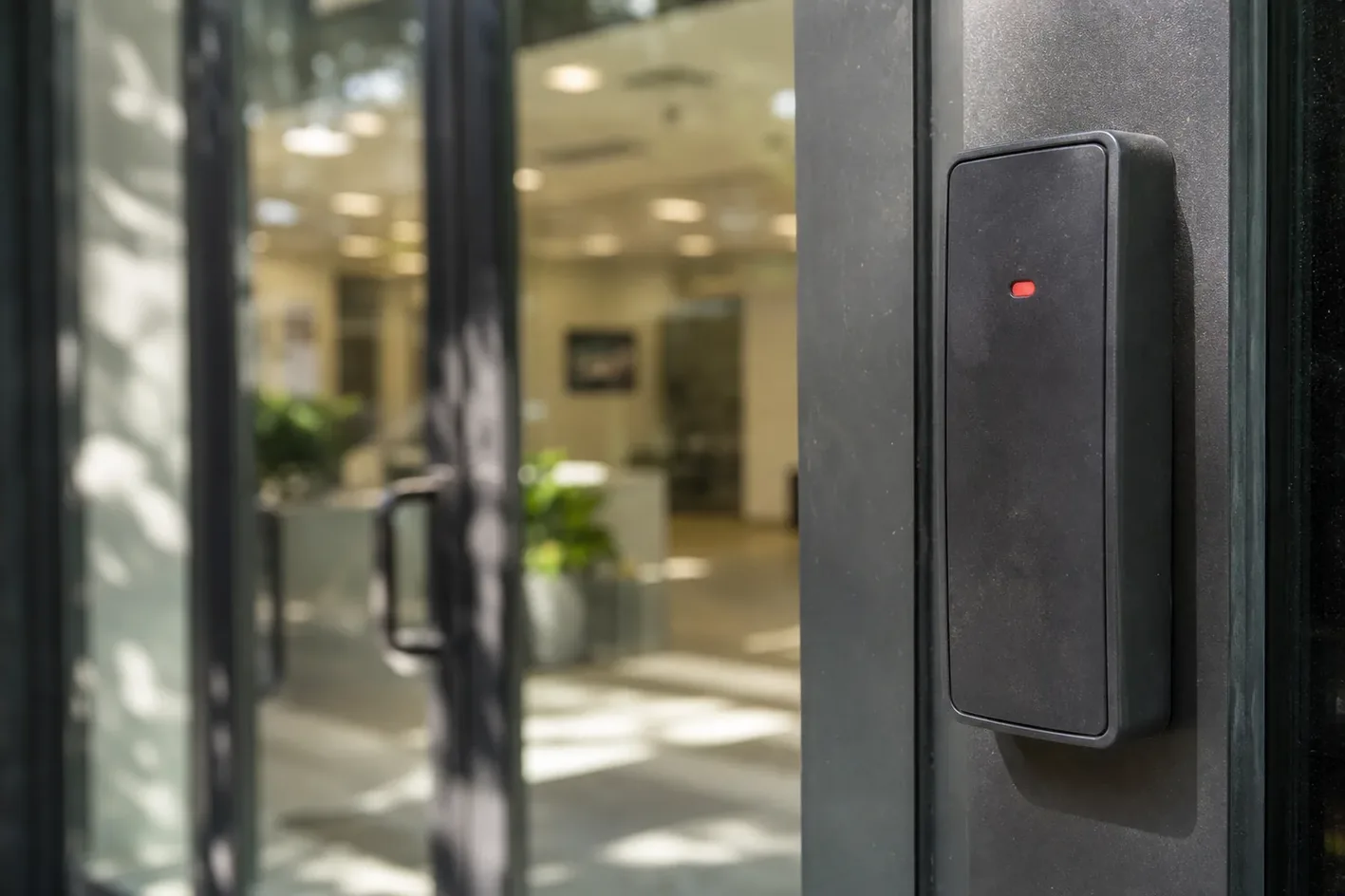
Keypad and card locks make it simpler still: codes change the day someone leaves, with nothing to collect.
A list of who holds keys today, even a rough one, speeds up the plan, and so does knowing which doors must lock from outside but always let people out. If you have an old key log or a master key, set it aside for the technician, and have the landlord's contact handy if the lease says anything about locks.
You finish with every door locking the way it should, a written record of which keys went to whom, and a single person who decides when a new key gets made. The next staff change becomes a short visit instead of a scramble.
A business changes its locks for reasons a household rarely deals with: a manager who left, a master key that went missing, a new tenant taking over a suite. Most of the time the answer is rekeying the cylinders rather than replacing hardware, and it happens on site.
When a lever or deadbolt has worn out from daily traffic, it's replaced with commercial-grade hardware that fits the existing door. Back doors, storage rooms and gated yards can join the same key plan, and restricted keys, which only a locksmith can duplicate, are an option when you need to know exactly how many keys exist.
Rekey the doors that key opens. It stops working that day, and new keys go only to the people who need them.
Yes. Many business jobs are scheduled early in the morning or after hours.
Yes, supplied and installed on commercial doors, and serviced when they stick.
Often it's the simplest way to control who opens what. It's planned around your rooms and people, and it grows with the business.
Usually the cylinder, the lock body or the door's alignment. It's checked on site and in most cases fixed without replacing the door.
Yes. A door that slams or drags is adjusted, or the closer replaced.
Yes. A new tenant shouldn't rely on the last tenant's keys. The suite's locks are rekeyed and new keys go to whoever you name.
Yes. When a building is managed for its owner, the work is planned with the manager, and new keys go only to the people the owner authorizes.
Yes. Gates, storage rooms and outbuildings can be rekeyed or brought into the same key plan while the technician is already on site.
Yes, for every commercial job, before any hardware is ordered.
Say the street and a technician heads out.